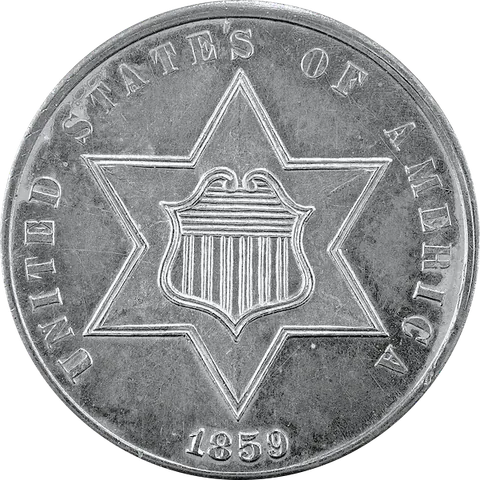
 Obverse
 Reverse
United States · .900 silver
Three-Cent Silver (Trime), Types 2 and 3 1854–1873
Three-cent silver pieces dated 1854–1873 weigh 0.75 g and are .900 silver.
Type 2 (three outlines around the star) 1854–1858; Type 3 (two outlines) 1859–1873. Mintages were small after 1862.
Melt value at the sample price
$1.09
- Face value
- 3¢
- Worth
- 36.2× face
- Silver spot
- $50.00 /oz
Calculated at a sample silver price, not a live market price.
Premium evaluator
Enter the price a dealer is asking to compare it with the melt value of $1.09 per coin.
Build a stack to total your gold and silver. Stored only in this browser.
How the melt value is calculated
Every step, with this coin’s own numbers. Change the price in Simulate spot at the top of the page and the calculation updates.
- 1. Silver in the coin0.75 g × 0.9 ÷ 31.1034768 = 0.0217 oz (0.675 g pure silver)
- 2. Silver price$50.00 per troy ounce
- 3. Melt value0.0217 oz × $50.00 = $1.09
About the Three-Cent Silver (Trime), Types 2 and 3
Laws passed in February and March 1853 lightened the small silver coins. The three-cent piece went from 0.80 g to 0.75 g while its fineness rose from .750 to .900, bringing it into line with the other silver coins.
James B. Longacre changed both sides so the public could tell the new coins apart: outlines were added around the star, and an olive sprig and a bundle of arrows were added to the reverse. The new design first appeared on coins dated 1854.
The Coinage Act of 1873 abolished the denomination.
How to identify it
- Obverse: a star with a shield at its centre, outlined by three lines (1854–1858) or two lines (1859–1873).
- Reverse: the Roman numeral III with an olive sprig above it and a bundle of three arrows below.
- A plain star with no outline and no sprig or arrows is the earlier .750 type of 1851–1853.
- About 14 mm across with a plain edge.
Quick identification & value
- How much silver is in an 1854–1873 three-cent piece?
- About 0.0217 troy ounce when unworn: 0.75 g at .900 fine.
- Is it the same as the three-cent nickel?
- No. The copper-nickel three-cent piece of 1865–1889 is larger, shows a Liberty head and contains no silver.
- Is melt value the same as collector value?
- No. Melt value is only the value of the silver. Scarce dates, mint marks and well-preserved examples can sell for much more to collectors, while a dealer buying for silver content may offer somewhat less than melt.
- Does circulation wear affect the value?
- Slightly. The figures here use the official weight when struck. Heavily worn coins have lost a little metal, so their real silver content is modestly lower — and wear usually matters far more to collector value.
Related coins and tools
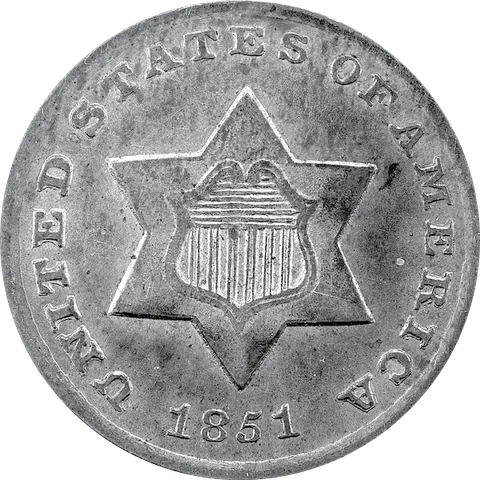
Three-Cent Silver (Trime), Type 1
1851–18530.0193 oz Ag
$0.9632.2× face value
Twenty-Cent Piece
1875–18780.1447 oz Ag
$7.2336.2× face value
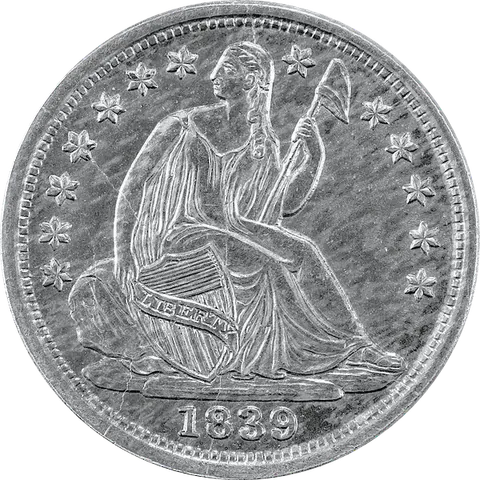
Seated Liberty Half Dime (1837–1853, No Arrows)
1837–18530.0387 oz Ag
$1.9338.7× face value
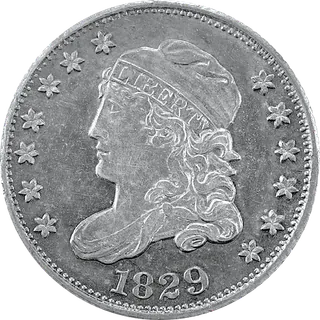
Half Dime (Flowing Hair, Draped Bust and Capped Bust)
1794–18370.0387 oz Ag
$1.9338.7× face value
Sources and method
Specifications verified against
- Wikipedia: Three-cent silverLater pieces 0.75 g, .900 silver, .0217 troy oz; type 2 1854–1858; struck to 1873
- Wikipedia: United States Mint coin sizesThree cent: 14 mm, 0.75 g, 0.900 fine, 1854–1873
- PCGS: 1854 3CS (Proof) Three Cent Silver – PCGS CoinFacts0.75 g, 90% silver
- Numista: Items from the United States (catalogue list)0.75 g and .900 for the 1854–1858 and 1859–1873 types
- NGC: Silver Three Cents (1851-1873)Change of standard dated to 1854
Method
Melt values are calculated from these specifications and the silver spot price; no value is stored or copied from another site. See the methodology and data sources.
Image
- Obverse and reverse: National Numismatic Collection, National Museum of American History (Smithsonian). Photo: Jaclyn Nash. Public domain, via Wikimedia Commons. Source · Public domain
- Background removed and resized, and its colour evened to a neutral silver tone; otherwise unaltered.