United States · .900 silver
Classic Silver Commemorative Half Dollar 1892–1954
The classic U.S. commemorative half dollars of 1892–1954 are 12.50 g coins of .900 silver, the same standard as the circulating half dollar of the time.
Not issued every year; the series runs from the 1892 Columbian Exposition half dollar to the 1954 Carver–Washington half dollar.
Melt value at the sample price
$18.08
- Face value
- 50¢
- Worth
- 36.2× face
- Silver spot
- $50.00 /oz
Calculated at a sample silver price, not a live market price.
Premium evaluator
Enter the price a dealer is asking to compare it with the melt value of $18.08 per coin.
Build a stack to total your gold and silver. Stored only in this browser.
How the melt value is calculated
Every step, with this coin’s own numbers. Change the price in Simulate spot at the top of the page and the calculation updates.
- 1. Silver in the coin12.50 g × 0.9 ÷ 31.1034768 = 0.3617 oz (11.250 g pure silver)
- 2. Silver price$50.00 per troy ounce
- 3. Melt value0.3617 oz × $50.00 = $18.08
About the Classic Silver Commemorative Half Dollar
The series opens with the Columbian Exposition half dollar of 1892–1893 and closes with the Carver–Washington half dollar, last struck in 1954. In between came dozens of designs marking anniversaries, expositions and local celebrations.
Every half dollar in the series was struck to the standard of the regular half dollar: 12.50 g of 90% silver and 10% copper. The designs differ but the metal content does not.
The same era also produced a commemorative quarter dollar (1893, showing Queen Isabella) and commemoratives in other denominations; this record covers the half dollars only. Commemorative half dollars resumed in 1982.
How to identify it
- Each coin reads HALF DOLLAR and names or pictures the event or person it marks, with a date between 1892 and 1954.
- Size and weight match a Barber, Walking Liberty or Franklin half dollar: about 30.6 mm and 12.50 g.
- Half dollars with commemorative designs dated 1982 or later are a separate, modern series.
Quick identification & value
- How much silver is in a classic commemorative half dollar?
- 0.3617 troy ounce when unworn: 12.50 g at .900 fine, the same as any 90% silver half dollar dated 1964 or earlier.
- Do all the designs have the same silver content?
- Yes. From the 1892 Columbian to the 1954 Carver–Washington, every commemorative half dollar was struck at 12.50 g and .900 silver.
- Is melt value the same as collector value?
- No. Melt value is only the value of the silver. Scarce dates, mint marks and well-preserved examples can sell for much more to collectors, while a dealer buying for silver content may offer somewhat less than melt.
- Does circulation wear affect the value?
- Slightly. The figures here use the official weight when struck. Heavily worn coins have lost a little metal, so their real silver content is modestly lower — and wear usually matters far more to collector value.
Related coins and tools
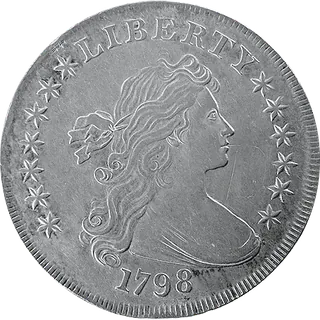
Draped Bust Dollar
1795–18030.7734 oz Ag
$38.6738.7× face value
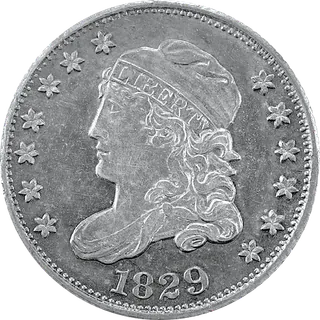
Half Dime (Flowing Hair, Draped Bust and Capped Bust)
1794–18370.0387 oz Ag
$1.9338.7× face value
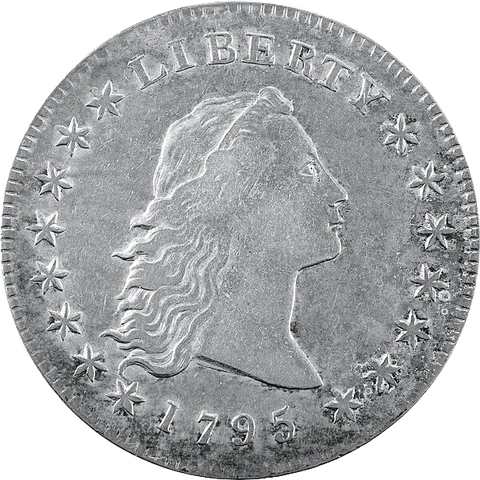
Flowing Hair Dollar
1794–17950.7800 oz Ag
$39.0039.0× face value
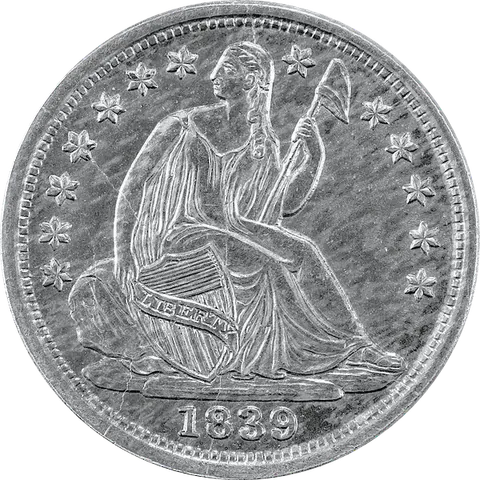
Seated Liberty Half Dime (1837–1853, No Arrows)
1837–18530.0387 oz Ag
$1.9338.7× face value
Sources and method
Specifications verified against
- Wikipedia: United States commemorative coinsHalf dollar: Ag 90%, Cu 10%, 12.50 g, 30.61 mm, 1892–1954; series begins with the 1892 Columbian half dollar
- Numista: ½ Dollar (Columbian Exposition) – United States1892–1893, silver .900, 12.5 g, 30.61 mm, ASW 0.362 oz
- Numista: ½ Dollar (Washington-Carver) – United StatesLast issue of the series (1951–1954)
- PCGS: 1892 50C Columbian – PCGS CoinFacts30.60 mm, 12.50 g, 90% silver
- PCGS: Silver Commemoratives 144 Piece Mintmark & Variety Set, Circulation Strikes (1892-1954)Series span 1892–1954
Method
Melt values are calculated from these specifications and the silver spot price; no value is stored or copied from another site. See the methodology and data sources.
Image
No licensed photograph is used for this coin. The medallion shown is an illustration generated from the coin’s specifications.