Russia · .900 gold
Russian 10 Roubles Gold, Nicholas II (1898–1911) 1898–1911
The 10 roubles of Nicholas II is a Russian Empire gold coin struck from 1898 to 1911, weighing 8.6026 g of .900 gold and containing 0.2489 troy ounce of gold.
Struck to the 1897 gold standard; the heavier 10 roubles of 1886–1894 and the 15 roubles of 1897 are different coins.
Melt value at the sample price
$995.69
- Face value
- 10 roubles
- Gold content
- 0.2489 oz
- Gold spot
- $4,000.00 /oz
Calculated at a sample gold price, not a live market price.
Premium evaluator
Enter the price a dealer is asking to compare it with the melt value of $995.69 per coin.
Build a stack to total your gold and silver. Stored only in this browser.
How the melt value is calculated
Every step, with this coin’s own numbers. Change the price in Simulate spot at the top of the page and the calculation updates.
- 1. Gold in the coin8.6026 g × 0.9 ÷ 31.1034768 = 0.2489 oz (7.742 g pure gold)
- 2. Gold price$4,000.00 per troy ounce
- 3. Melt value0.2489 oz × $4,000.00 = $995.69
About the Russian 10 Roubles Gold, Nicholas II (1898–1911)
The 1897 monetary reform reduced the gold content of the rouble to 0.77424 g. New, smaller 5 and 10 rouble coins followed, while 7.5 and 15 rouble coins the size of the earlier 5 and 10 roubles were struck for one year only.
The 10 rouble coin holds 1 zolotnik 78.24 dolya of pure gold, 7.74235 g, a figure stated on its edge. Gold coinage was suspended in 1911. The early Soviet chervonets of 1923 was struck to the same weight and fineness.
How to identify it
- Obverse: portrait of Emperor Nicholas II. Reverse: the imperial double-headed eagle with the denomination 10 roubles and the date.
- The edge carries an inscription giving the gold content: 1 zolotnik 78.24 dolya of pure gold.
- Diameter about 22.6 mm and weight 8.6 g. A 15 rouble coin of 1897 is larger and heavier, and the 5 rouble coin is half the weight.
Quick identification & value
- How much gold is in a Nicholas II 10 rouble coin?
- 0.2489 troy ounce (7.74 g) of pure gold in a coin weighing 8.6026 g at .900 fineness.
- Is it the same as a chervonets?
- The name is often used for it, but the chervonets proper is the Soviet coin of 1923 and 1975–1982, which was struck to the same weight and fineness.
- Is melt value the same as collector value?
- No. Melt value is only the value of the gold. Scarce dates, mint marks and well-preserved examples can sell for much more to collectors, while a dealer buying for gold content may offer somewhat less than melt.
- Does circulation wear affect the value?
- Slightly. The figures here use the official weight when struck. Heavily worn coins have lost a little metal, so their real gold content is modestly lower — and wear usually matters far more to collector value.
Related coins and tools
Russian 5 Roubles Gold, Nicholas II (1897–1911)
1897–19110.1245 oz Au
$497.84Face value 5 roubles
Russian 1 Rouble Silver, Nicholas II (1895–1915)
1895–19150.5786 oz Ag
$28.93Face value 1 rouble
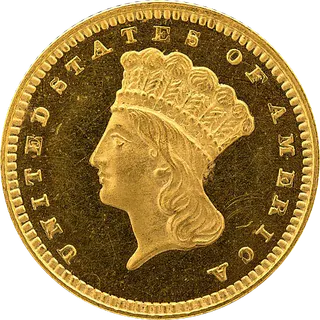
Gold Dollar
1849–18890.0484 oz Au
$193.52194× face value
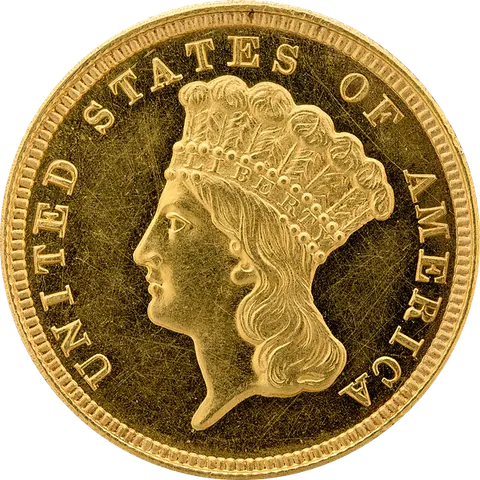
Three-Dollar Gold Piece
1854–18890.1451 oz Au
$580.50194× face value
Sources and method
Specifications verified against
- Wikipedia: Chervonets1898–1911, .900 gold, 8.6 g, 7.74235 g pure gold in the 10 rouble coin
- Numista: 10 Roubles - Nicholas II - Russian Empire1898–1911, gold .900, 8.6 g, 22.6 mm, edge inscription
- NGC: Russia 10 Roubles Y 64 Prices & ValuesWeight 8.6026 g, AGW 0.2489 oz
Method
Melt values are calculated from these specifications and the gold spot price; no value is stored or copied from another site. See the methodology and data sources.
Image
No licensed photograph is used for this coin. The medallion shown is an illustration generated from the coin’s specifications.